
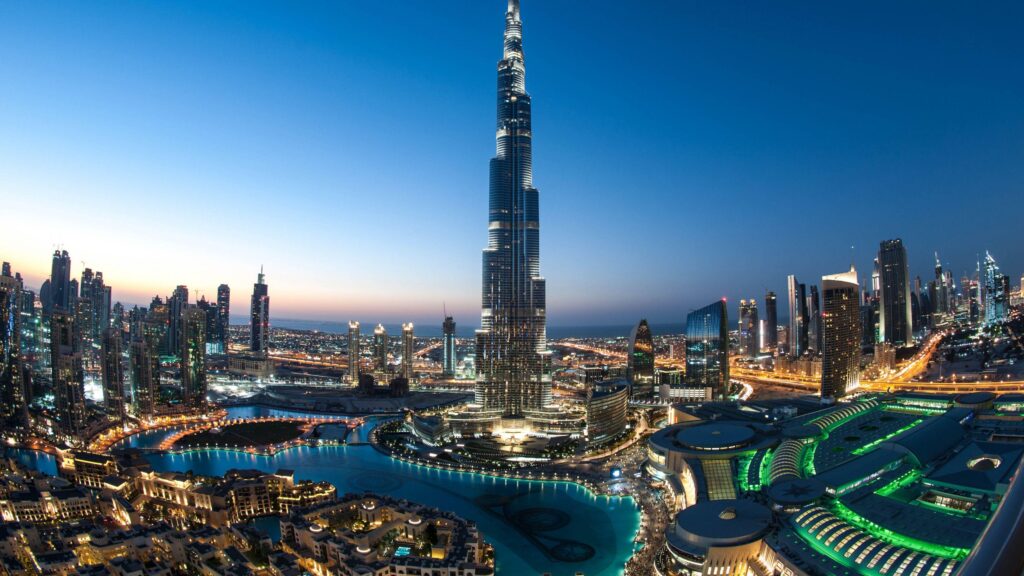
Architecture and urban planning play a decisive role in shaping real estate performance. In Dubai, design is not treated as a cosmetic feature but as a strategic economic tool. The city’s architectural vision and structured planning framework have helped transform it into one of the most attractive real estate destinations for global investors.
Beyond iconic skylines, Dubai’s development model integrates infrastructure, zoning, density management, and lifestyle planning into a cohesive system. This alignment between design and economic strategy is a central reason international capital continues to flow into its property market.
Architecture as an Economic Strategy
Dubai’s skyline is globally recognizable, but its architectural value extends far beyond aesthetics. Landmark towers, waterfront districts, and master planned communities are designed to create long term demand rather than short term attention.
Developments are typically integrated with retail, hospitality, public spaces, and transport connectivity. This creates complete environments rather than isolated residential buildings. Investors benefit when architecture supports functionality, accessibility, and quality of life, since these factors directly influence occupancy rates and rental resilience.
The focus on design excellence also strengthens brand positioning. Properties in well planned districts command stronger market interest because buyers associate architecture with prestige, durability, and asset quality.
Master Planning and Controlled Expansion
A major factor attracting global real estate investors is Dubai’s structured approach to urban expansion. Growth is guided by comprehensive planning initiatives that outline land use distribution, transportation networks, green spaces, and community density targets.
Instead of uncontrolled sprawl, development is concentrated in defined corridors and districts. Residential areas are supported by schools, healthcare facilities, commercial zones, and leisure amenities. This reduces oversupply risk in isolated pockets and encourages balanced community growth.
When investors evaluate long term potential, they look for cities where infrastructure keeps pace with development. Dubai’s planning model supports this alignment, enhancing confidence in future value stability.
Waterfront Development and Spatial Design
Waterfront planning is another architectural strength that attracts global investors. Districts built along the coastline and canal systems are carefully designed to maximize views, pedestrian access, and lifestyle appeal.
Waterfront architecture in Dubai often combines residential towers with marina promenades, hospitality venues, and retail corridors. These mixed use environments create consistent foot traffic and enhance rental demand.
Many international buyers who seek both lifestyle appeal and income generation explore opportunities to buy 2 bedroom apartments in Dubai within these established districts. Two bedroom layouts are particularly popular among professionals and small families, making them a practical choice in communities where planning prioritizes connectivity and amenities.
Infrastructure Integration and Accessibility
Urban design in Dubai is closely tied to transportation planning. Major residential zones are positioned near highways, metro stations, and commercial hubs. This reduces commute times and supports sustainable growth.
Accessibility influences property performance. Investors consistently prioritize areas where transport links enhance convenience and long term demand. By integrating infrastructure into early stage planning, Dubai reduces the risk of congestion driven depreciation that affects many fast growing cities.
The coordination between planning authorities and developers strengthens long term investment stability.
Quality Standards and Regulatory Oversight
Architecture in Dubai operates within a regulated framework that includes construction standards, developer licensing, and project registration. Developers must adhere to compliance requirements before launching projects, and off plan developments are subject to escrow protections.
This oversight ensures that architectural ambition is supported by financial accountability. Global investors are more likely to allocate capital when regulatory structures support quality control and delivery timelines.
Consistency in standards contributes to market credibility. Over time, this reinforces Dubai’s position as a reliable real estate environment rather than a speculative one.
Mixed Use Communities and Livability
Modern investors increasingly evaluate real estate through the lens of livability. Mixed use communities that integrate residential, retail, office, and leisure components tend to outperform isolated projects.
Dubai’s planning model emphasizes walkability, shared spaces, and lifestyle amenities. Public waterfronts, landscaped parks, and community facilities enhance long term occupancy appeal. This integrated design approach strengthens rental demand and resale liquidity.
When architecture supports daily life convenience, property becomes more than a financial instrument. It becomes a sustainable urban asset.
Global Appeal Through Design Innovation
Dubai’s architectural identity blends modern engineering with international design influences. Projects often involve globally recognized architects and construction firms, elevating credibility among overseas investors.
Innovation in materials, energy efficiency, and building technology further strengthens appeal. Sustainable features are increasingly incorporated into new developments, reflecting global environmental priorities and long term operational efficiency.
Investors seeking exposure to forward looking urban environments recognize that design innovation often correlates with future relevance and sustained demand.
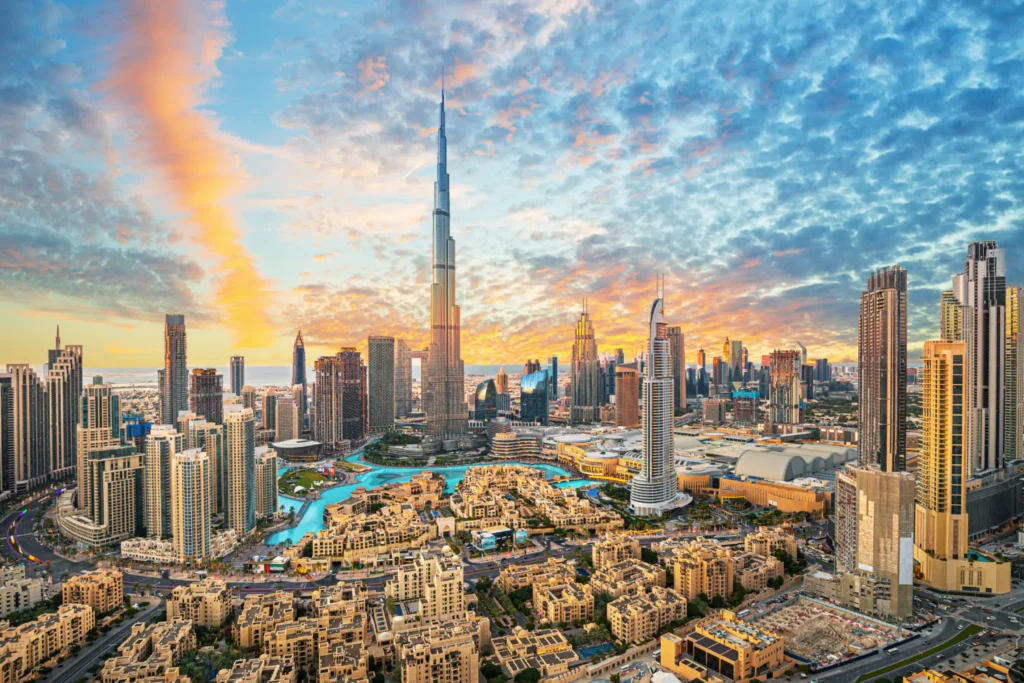
Design That Drives Long Term Real Estate Value
Dubai’s architecture and planning attract global real estate investors because they combine aesthetic ambition with economic logic. Structured expansion, infrastructure integration, regulatory oversight, and community focused design create an environment where property performance is supported by long term urban strategy.
For international investors evaluating global markets, architecture in Dubai represents more than visual distinction. It reflects coordinated planning that strengthens confidence, supports demand, and enhances asset resilience in an increasingly competitive real estate landscape.